
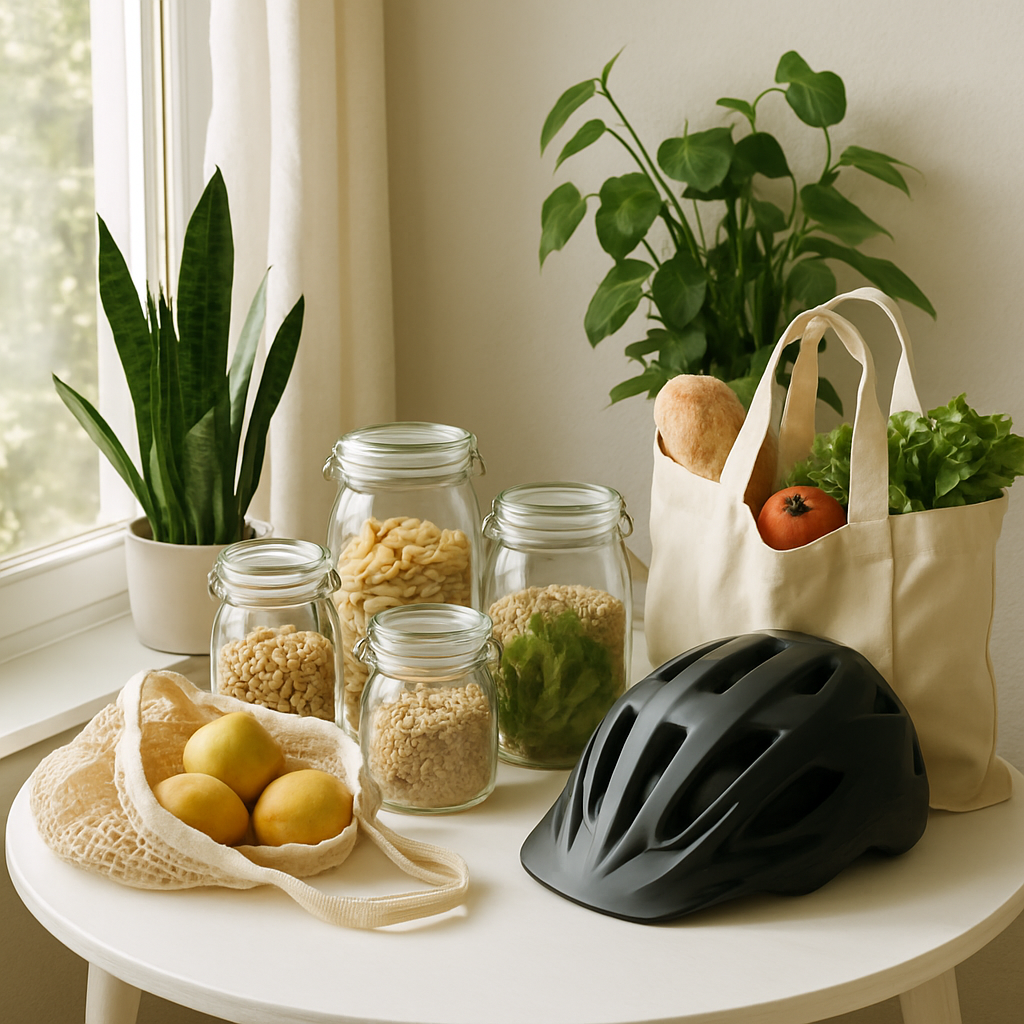
Sustainable living is no longer just a trend. For many people, it is a practical way to improve daily life while reducing strain on the planet. As concerns about climate change, waste, and resource use continue to grow, more households are exploring the benefits of sustainable living and looking for simple ways to make lasting changes.
This guide explains what sustainable living is, why it matters, and how a few small habits can lead to meaningful results for your health, finances, community, and the environment.
What Is Sustainable Living?
Sustainable living means making choices that reduce the use of natural resources and limit environmental harm. The goal is to meet current needs without making it harder for future generations to meet theirs.
In practice, this can include reducing waste, saving energy and water, choosing reusable products, buying local food, and being more intentional about what you consume. An eco-friendly lifestyle often overlaps with sustainable living, but sustainable habits also focus on long-term resource conservation and mindful consumption.
Main Benefits of Sustainable Living
1. Better Personal Health
One of the most immediate health benefits of sustainable living is reduced exposure to harmful chemicals and pollutants. Choosing organic or minimally processed foods can help lower contact with certain pesticides and additives. Using fewer plastics and harsh household products may also reduce everyday toxin exposure.
Sustainable habits can support physical wellness too. Walking, biking, gardening, and using public transportation often increase daily movement compared with driving everywhere. These simple lifestyle changes can contribute to better overall health while also lowering emissions.
2. Reduced Environmental Impact
The environmental benefits of sustainable living are one of the main reasons people make the switch. Using fewer resources, creating less waste, and choosing renewable or energy-efficient options can all help reduce your carbon footprint.
Simple actions such as conserving water, cutting back on single-use items, and composting at home can make a real difference over time. Growing some of your own food can also reduce dependence on large-scale agricultural systems that may strain soil quality and biodiversity.
For more information on sustainability and environmental stewardship, visit the EPA sustainability resource center.
3. Long-Term Financial Savings
Many people assume a sustainable lifestyle always costs more, but the financial benefits of sustainable living can be significant. Lower energy use often means lower utility bills. Turning off lights, unplugging devices, sealing drafts, and choosing energy-efficient appliances are all practical ways to save money over time.
Reusable water bottles, food containers, and shopping bags can also reduce repeat purchases. If you grow herbs or vegetables at home, you may cut grocery costs while gaining fresher ingredients. Composting can lower waste while improving soil naturally, reducing the need to buy fertilizers.
4. Stronger Community Connections
Another often-overlooked advantage of sustainable living is the sense of connection it can create. Shopping at local farmers markets, joining co-ops, or participating in community gardens helps support local producers and keeps more money in the local economy.
Community cleanups, tree plantings, and neighborhood sustainability projects also bring people together around shared goals. These activities can strengthen social ties while building more resilient communities.
5. More Mindful Consumption
A sustainable lifestyle encourages mindful consumption. Instead of buying out of habit or convenience, you begin to think more carefully about what you purchase, how long it will last, and what impact it has on the environment.
This shift often leads to less clutter, fewer impulse purchases, and a stronger focus on quality over quantity. Many people find that these changes create a calmer, more organized home and a greater appreciation for the things they already own.
How to Live Sustainably: Simple Steps for Beginners
If you are interested in sustainable living for beginners, the best approach is to start small and stay consistent. You do not need to change everything at once to see results.
- Reduce, reuse, and recycle whenever possible.
- Choose local and seasonal produce to cut transportation-related emissions.
- Use reusable bottles, bags, containers, and coffee cups.
- Turn off lights and unplug electronics when they are not in use.
- Cut back on food waste and consider composting.
- Walk, bike, or use public transportation more often.
- Learn more about product materials, sourcing, and durability before buying.
These sustainable living tips are accessible, affordable, and effective for most households. Over time, even small improvements can add up to major lifestyle benefits.
Why Sustainable Living Matters
The advantages of sustainable living go far beyond helping the environment. They can support better health, lower everyday costs, strengthen communities, and encourage a more intentional way of life. For people who want practical change without overwhelming complexity, sustainable living offers a realistic path forward.
By making thoughtful adjustments to your daily routine, you can enjoy the sustainable lifestyle benefits for yourself while contributing to a healthier future for others. The best time to start is with one simple habit today.