
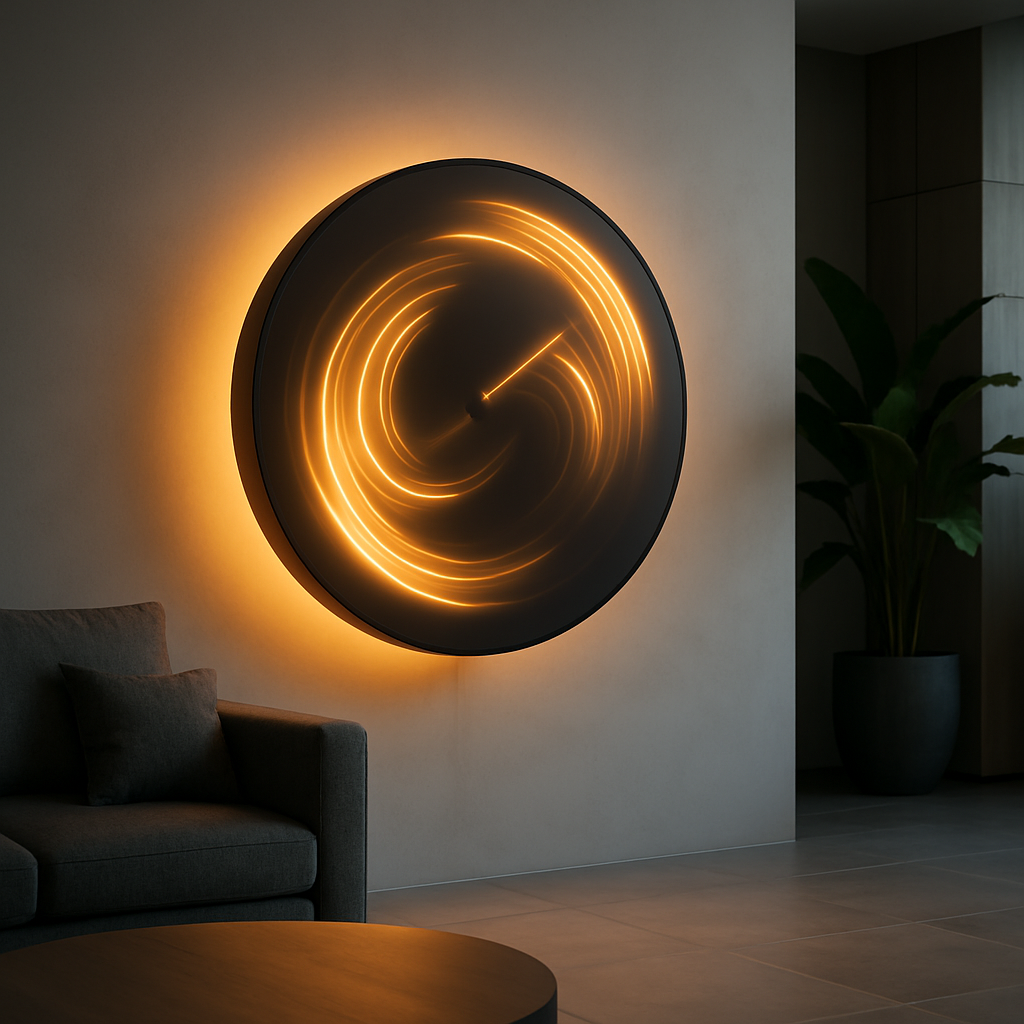
Art shapes the way a space feels, whether it appears in a living room, hotel lobby, office, or public plaza. As display technology evolves, more designers and property owners are looking beyond static pieces toward artwork that feels immersive and alive. Rotating illuminated art stands out for exactly that reason. By combining motion with lighting, it creates a dynamic art display that captures attention and adds visual energy to a room.
In this article, we’ll look at what rotating illuminated art is, how it works, and why it has become an appealing option for modern interiors, commercial environments, and public installations.
What Is Rotating Illuminated Art?
Rotating illuminated art is artwork that integrates both light and movement. The piece rotates, shifts orientation, or cycles through changing visual angles while being lit from within, behind, or around its surface. This creates an experience that feels more interactive than traditional wall art.
Depending on the design, a rotating art display may use a simple motorized mechanism or a more advanced system that presents multiple images, patterns, or layered effects. In some cases, it overlaps with kinetic illuminated art, especially when movement is central to the artistic concept.
The result is art with light and movement that changes how viewers engage with the piece over time rather than in a single glance.
Why Rotating Illuminated Art Gets Attention
1. It encourages engagement
One of the biggest advantages of rotating illuminated art is its ability to draw people in. Static artwork can be beautiful, but movement naturally invites viewers to pause and look longer. A lighted rotating wall art piece creates changing perspectives, which can make the experience feel more personal and memorable.
This quality makes it especially effective in places where visual impact matters, such as entryways, reception areas, galleries, and conversation spaces.
2. It offers more versatility than static art
A rotating illuminated art installation can showcase different colors, shapes, themes, or moods within one display. That versatility allows the artwork to adapt to the environment around it. For example, a piece might present seasonal imagery, changing tones, or layered designs that reveal new details as it turns.
For homeowners and designers, this flexibility supports a more customized look. For businesses, it can help reinforce branding, promotions, or atmosphere without changing the entire decor scheme.
3. It enhances mood and atmosphere
Lighting already influences the feel of a space, but adding movement makes the effect more immersive. Soft illumination can create a calm, sophisticated atmosphere, while brighter colors and stronger contrast can energize a room. This is one reason rotating illuminated art is often used as modern illuminated home decor or as a statement piece in hospitality settings.
When selected well, an illuminated art installation does more than decorate. It helps shape the emotional tone of the environment.
How Rotating Illuminated Art Works
While designs vary, most rotating illuminated art pieces rely on a few core elements:
- A rotating mechanism that moves the artwork smoothly or at set intervals
- An integrated lighting system such as LED backlighting, edge lighting, or internal illumination
- A display surface or layered structure that changes appearance as it rotates
- A power source and control system that manages speed, brightness, and sometimes color
Some pieces are subtle and minimal, while others are bold examples of interactive light art. The complexity depends on the artist’s vision, the installation setting, and the intended viewer experience.
Best Places to Use Rotating Illuminated Art
In the home
At home, rotating illuminated art can act as a focal point in living rooms, dining areas, bedrooms, or entry spaces. It works especially well in contemporary interiors where clean lines and layered lighting already play an important design role.
A lighted rotating wall art piece can add depth to a neutral room, while a sculptural display can create a gallery-like feel. Placement matters, so it is best used where its light and movement can be appreciated without overwhelming the space.
In commercial interiors
Businesses often need decor that does more than fill a blank wall. Rotating illuminated art can support branding, improve customer experience, and create a memorable visual impression. This makes it a strong choice for restaurants, retail stores, offices, showrooms, hotels, and lounges.
As part of broader commercial art display ideas, it can reflect seasonal themes, product launches, or the personality of the brand. In hospitality spaces, it can also encourage guests to linger, take photos, and remember the setting.
In public spaces
Public art benefits from visibility, accessibility, and interaction, which makes rotating illuminated art a natural fit. In urban settings, transit areas, plazas, and civic buildings, an illuminated art installation can help transform an ordinary location into a point of interest.
When paired with thoughtful public art installation lighting, these works can remain visually compelling during both day and night. They may also support cultural storytelling, local identity, or community engagement.
Rotating Illuminated Art vs. Kinetic Art
People sometimes use these terms interchangeably, but there is a small distinction. Kinetic illuminated art usually refers to artwork where motion is essential to the concept, and that motion may come from motors, wind, balance, or viewer interaction. Rotating illuminated art is a more specific category focused on pieces that rotate and use light as a major design element.
In other words, rotating illuminated art can be considered a type of kinetic art, but not all kinetic art includes rotation or illumination.
How to Choose the Right Piece
If you are considering a rotating art display for a space, focus on a few key factors:
- Scale: Make sure the piece fits the wall or room without overpowering it.
- Lighting style: Match the brightness and color temperature to the mood you want.
- Movement speed: Slower rotation often feels elegant, while faster motion creates more energy.
- Setting: Choose a design that suits residential, commercial, or public use.
- Maintenance: Consider access to power, mechanical upkeep, and durability.
If you are exploring visually layered decor concepts, you may also enjoy browsing Layer by Layer Prints for inspiration on dimensional and light-enhanced presentation styles.
Final Thoughts
Rotating illuminated art offers a compelling mix of creativity, technology, and atmosphere. Its combination of motion and lighting makes it more than decoration. It becomes an experience that can transform how a room looks and feels.
Whether used as modern illuminated home decor, as part of a commercial design strategy, or within a public installation, rotating illuminated art brings energy and originality to the environment. For anyone seeking a dynamic art display with lasting visual impact, it is a category well worth exploring.